
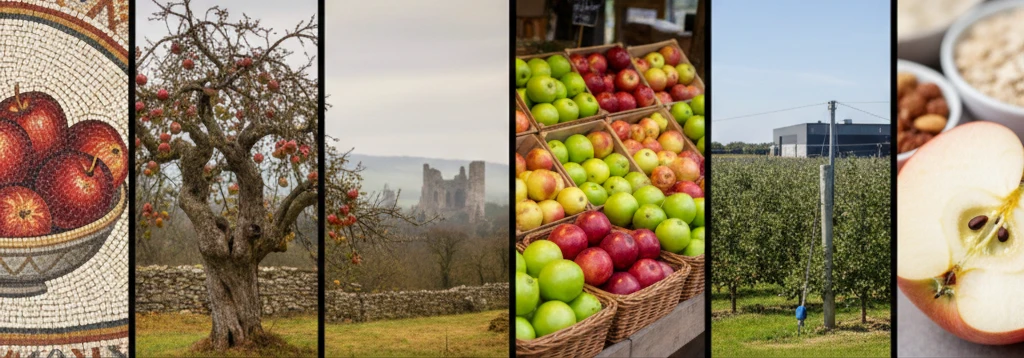
The apple, a delicacy enjoyed for centuries, was highly favored in the Roman Empire. As the empire expanded into Northern Europe, its people brought their rich traditions with them, introducing apples to the rest of the world—primarily the region that is now the United Kingdom. This historical journey laid the foundation for what would become one of the most culturally significant and biologically diverse fruits on the planet.
Today, apples are far more than just a convenient snack; they are a global staple, a symbol of health, and a miracle of agricultural evolution. From the orchards of Washington State to the rolling hills of Somerset, the story of the apple continues to grow.
A Journey Through History and Culture
The lineage of the modern apple (scientifically known as Malus domestica) can be traced back to the mountains of Kazakhstan. However, it was the Romans who refined the art of grafting, allowing them to produce consistent, high-quality fruit. When Roman legions marched across Europe, they didn’t just bring weapons; they brought seeds and saplings.
In the United Kingdom, the apple flourished in the temperate climate, eventually leading to the creation of thousands of unique varieties. By the time European settlers reached the Americas, the apple was already an essential part of the diet, used for everything from fresh eating to fermented cider. This deep-rooted history is why apples remain a permanent fixture in folklore, mythology, and modern dietary guidelines.
Understanding Popular Apple Varieties
While there are over 7,500 known cultivars of apples grown globally, a few select varieties dominate the market due to their flavor profiles and storage capabilities.
- Red Delicious: Known for its iconic heart shape and deep crimson skin, this variety is a classic. Many health experts note that the Red Delicious is widely considered the healthiest kind of apple because of its high levels of anthocyanidins and antioxidants found in its thick skin. It is also a source of calcium, a mineral that helps you to maintain strong bones.
- Granny Smith: Characterized by its bright green skin and tart flavor, this apple is a favorite for baking because it holds its shape well under heat.
- Gala: Originally from New Zealand, the Gala is mild, sweet, and crisp, making it a top choice for children and snacks.
- Fuji: Named after Mount Fuji, this apple is exceptionally sweet and dense, with one of the longest shelf lives of any variety.
- Honeycrisp: A modern favorite developed by the University of Minnesota, it is prized for its “explosively crisp” texture and balanced sweet-tart juice.
The Mystery of Extinct Apples
Unlike the popular varieties found on grocery store shelves today, there are some apple types that no longer exist. These are called extinct apples. Over the centuries, as industrial farming prioritized durability and uniform appearance, many heirloom varieties fell out of favor and eventually vanished.
Historical records mention varieties such as the Streaked Pippin, the Sary Sinap, and the Nero. These fruits once offered unique flavors—some tasting of pineapple, others of nutmeg—that are now lost to time. However, “apple detectives” and conservationists today work tirelessly to find “lost” trees in abandoned orchards, hoping to revive these ancient flavors before they disappear forever.
The Nutritional Powerhouse: Why Eat Apples?
The phrase “an apple a day keeps the doctor away” is rooted in scientific truth. Apples are nutritional powerhouses that provide a wide array of health benefits:
- Fiber Content: A medium apple contains about 4 grams of fiber, specifically pectin, which aids in digestion and helps regulate blood sugar.
- Heart Health: The soluble fiber in apples has been linked to lower cholesterol levels, reducing the risk of cardiovascular disease.
- Weight Management: Because they are high in water and fiber, apples are incredibly filling despite being relatively low in calories.
- Immune Support: While not as high in Vitamin C as citrus, the combination of phytochemicals in apples supports a robust immune system.
Cultivating and Storing Apples
To get the most out of your apples, proper storage is key. Ethylene gas, which apples produce naturally, can cause other fruits to ripen too quickly. For the best crunch, store your apples in the crisper drawer of your refrigerator. This slows down the ripening process and keeps the flesh firm for weeks.
When selecting apples at the market, look for fruit that is firm to the touch and free of soft spots or bruising. A heavy apple usually indicates high juice content, promising a more flavorful experience.
Conclusion
In conclusion, apples have been an important part of history and continue to be a significant part of many people’s everyday life. From the orchards of the Roman Empire to the high-tech agricultural centers of today, the apple has adapted and thrived. Whether you prefer the tart snap of a Granny Smith or the antioxidant-rich skin of a Red Delicious, incorporating this fruit into your diet is a delicious way to honor a tradition thousands of years in the making.