
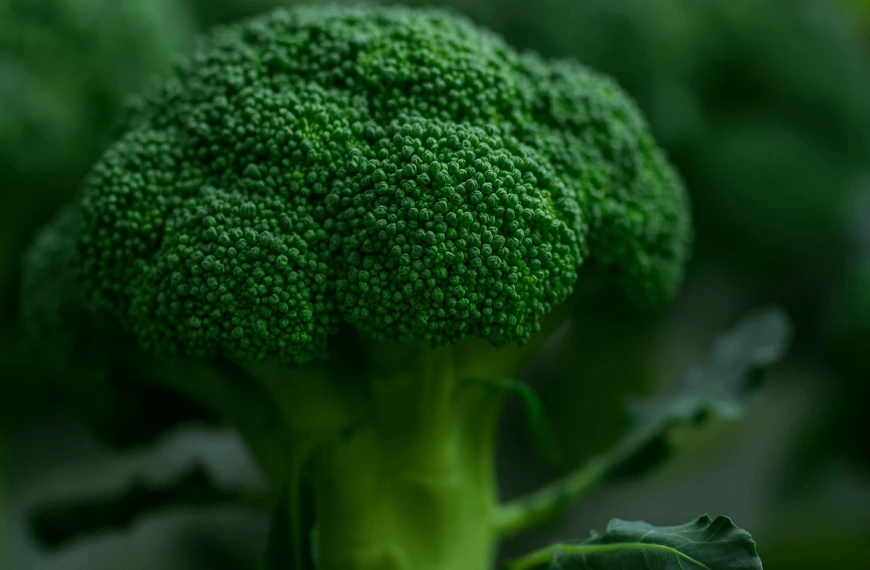
In the constantly changing world of nutrition science, broccoli stands out not just as a vegetable, but as a kitchen superfood. With its bright green tops and rich nutrient profile, broccoli deserves a main spot on our plates. Here, we’ll explore why adding this cabbage-family vegetable to your diet is essential for your health, explaining its benefits from your cells to your heart. Broccoli represents a simple yet powerful choice for improving overall human well-being.
The way we see broccoli has thankfully changed from a vegetable kids dreaded to a recognized food hero. Its unique shape, from the thick top to the crunchy stalk, shows a complexity that translates directly into many health advantages. Recognizing broccoli as a powerful delivery system for essential compounds is the first step toward valuing its nutritional worth. We should view it not merely as a side dish, but as a central part of daily health prevention.
This vegetable superstar contributes significantly to meeting daily goals for countless vitamins and minerals. Understanding the specific jobs these small nutrients do shows why regular eating is so heavily recommended by health experts. The consistent inclusion of broccoli provides a steady stream of helpful elements, ensuring the body stays at its best functional capacity throughout life.
Furthermore, its natural low-calorie count makes it a perfect addition to any diet focused on balance and weight control. Because it is so dense with nutrients but light on energy, it allows you to fill up without overeating. This makes it an ideal tool for anyone looking to maintain a healthy weight without feeling deprived.
Broccoli is packed with an impressive mix of vitamins and minerals. Just a single serving provides large amounts of vitamin C, vitamin K, and folate, contributing greatly to overall body function and wellness. Vitamin C is vital for a strong immune system, while vitamin K plays a critical role in keeping bones dense and helping blood clot efficiently. Additionally, broccoli is a rich source of dietary fiber, which aids necessary digestion and actively promotes a healthy, growing gut environment.
Nutritional Powerhouse
The high amount of Vitamin C found in broccoli offers far more than just protection against the common cold. Vitamin C is an essential antioxidant that dissolves in water and helps the body create collagen, a necessary protein for maintaining healthy skin, strong tendons, and working blood vessels. This powerful nutrient also significantly improves the absorption of iron from plant-based foods, which is crucial for preventing tiredness and ensuring proper oxygen moves through the system.
Looking deeper into the vitamin list, Vitamin K stands out for its less known, yet deeply important, functions. This fat-soluble vitamin is key for managing calcium levels and ensuring calcium goes correctly into the bone structure, rather than building up in soft tissues or arteries. Because of this double action, Vitamin K found in broccoli supports both skeletal strength and long-term heart health efficiently.
Folate, or Vitamin B9, is another key ingredient generously supplied by broccoli. Folate is crucial for DNA creation and repair, making it essential for rapid cell division and growth, especially during critical periods like pregnancy and infancy. Adequate folate intake helps prevent certain birth defects and supports brain health throughout life, highlighting broccoli’s broad appeal across all age groups.
Beyond the major vitamins, broccoli offers a range of essential minerals. It contains significant amounts of potassium, which is critical for balancing fluids and maintaining healthy blood pressure levels throughout the circulation system. Magnesium is also present, playing a role in over 300 chemical reactions, including muscle and nerve function, blood sugar control, and energy production processes within the cells.
Unveiling the Micro-Nutrient Matrix
The mineral profile of broccoli also includes calcium. Though it may not be in the huge amounts found in dairy, it is present in a form that is easy for the body to absorb. This means the body can easily use the calcium from broccoli, contributing meaningfully to daily intake needs. Regular servings help ensure that the structural parts of our bones and teeth receive the necessary building blocks for maintenance and repair.
Iron is another important mineral found in this green vegetable, essential for producing hemoglobin, the protein in red blood cells that carries oxygen from the lungs to the rest of the body. While plant-based iron benefits from being eaten alongside Vitamin C, broccoli handily provides both, making it an excellent combined source for vegetarians and vegans.
The combined effect of these carefully balanced vitamins and minerals creates a nutritional teamwork that works better than any single supplement. Eating the whole food, such as broccoli, ensures the body receives these parts in nature’s intended amounts, improving their combined effectiveness. This complete nutrient delivery system is a core reason why whole foods are always prioritized over isolated pills or powders.
This complex mix of nutrients provides the foundation needed for steady energy throughout the day. When the body receives all necessary tools, metabolic processes run smoothly, leading to better mood control and increased energy. Incorporating broccoli is a simple, active way to ensure your cellular machinery has the highest quality fuel available to it at all times.
Fiber and Digestive Harmony
Broccoli’s status as a high-fiber vegetable cannot be overstated regarding digestive health. Fiber is generally grouped into soluble and insoluble types, with broccoli providing a healthy mix of both. Insoluble fiber adds bulk to waste, effectively speeding up the movement of waste materials through the gut, thereby preventing uncomfortable constipation effectively.
On the other hand, the soluble fiber found in broccoli dissolves partly in water to form a gel-like substance inside the digestive tract. This soft gel helps slow down digestion, promoting a feeling of lasting fullness, which is highly beneficial for those managing their body weight or trying to control hunger pangs between meals successfully.
Crucially, fiber acts as a prebiotic, serving as the primary food source for the trillions of good bacteria living in the gut. A thriving, diverse gut environment is directly linked to stronger immunity, improved nutrient absorption, and even better mental health results, demonstrating fiber’s wide-reaching positive influence far beyond simple digestion.
By promoting the health of the intestinal lining and encouraging regular bowel movements, broccoli fiber helps maintain the strength of the gut barrier. A strong barrier prevents unwanted substances from leaking into the bloodstream, reducing body-wide inflammation and contributing to overall strong immune function throughout the entire system.
Combating Oxidative Stress
Broccoli doesn’t just provide essential base nutrients; it also boasts powerful antioxidants, including the famous compound sulforaphane, which has been widely studied for its potential anti-cancer properties. Antioxidants are the body’s natural defense against highly unstable molecules called free radicals, effectively stopping them before they can cause cellular and DNA damage.
Oxidative stress, the imbalance between free radicals and antioxidant defenses, is a key driver of aging and the development of long-term illnesses, including heart disease and brain disorders. By regularly eating broccoli, we arm our bodies with strong external antioxidants, adding to our internal defense mechanisms efficiently and proactively.
Sulforaphane, a unique sulfur-containing compound released when broccoli is chewed or chopped, is particularly notable. It works differently from many typical antioxidants by turning on the body’s own internal detox pathways, specifically enzymes in the liver. This activation helps the body efficiently process and get rid of toxic compounds and potential cancer-causing agents.
The presence of glucosinolates, compounds that break down into sulforaphane upon preparation, is a major reason why broccoli is considered a preventative food. The interaction requires a plant enzyme, highlighting the importance of proper chopping or light cooking, rather than over-boiling, to maximize the release of this valuable illness-fighting chemical.
A Green Ally for the Heart
Research suggests that eating broccoli can significantly benefit overall heart health and function. The powerful combination of fiber, potassium, and beneficial antioxidants found concentrated in broccoli helps to strategically lower levels of harmful cholesterol and actively regulate blood pressure within healthy limits. This contributes to a much healthier and stronger circulatory system.
The fiber content plays a direct role in heart health by binding to cholesterol in the digestive tract, preventing its absorption into the bloodstream. This forced removal of cholesterol reduces the burden on the liver and helps maintain clear, flexible artery walls, reducing the risk factor for plaque buildup and hardening of the arteries.
Potassium, another critical component, helps relax the walls of blood vessels. By countering the negative effects of high sodium intake, potassium helps maintain a healthy electrical balance across cell membranes, ensuring that the heart beats regularly and blood flows smoothly with less strain on the vascular system.
Furthermore, the anti-inflammatory properties of sulforaphane and other compounds in broccoli play a vital role in protecting the delicate lining of the blood vessels. Chronic inflammation is often a starting point for serious heart conditions, thus broccoli’s ability to calm this inflammation provides long-term, protective circulatory benefits.
Enhancing Mental Clarity
The benefits of eating broccoli extend beyond physical structures and touch upon thinking skills and mental sharpness. Broccoli is an excellent source of choline, an essential nutrient that the body uses to produce acetylcholine, a crucial chemical messenger involved centrally in memory, mood regulation, and various key muscle control functions.
Vitamin K, besides its role in bone health, is increasingly being studied for its direct involvement in the nervous system. This vitamin is fat-soluble and is believed to adjust signaling pathways in the brain, potentially offering protective benefits against age-related memory decline and improving overall decision-making skills over time.
Broccoli’s powerful antioxidant and anti-inflammatory action also contributes indirectly yet significantly to brain health. By reducing oxidative damage and long-term inflammation, it helps protect delicate brain tissues from breakdown, which is essential for maintaining sharp memory and efficient processing speed as we age gracefully.
The high folate content also supports healthy brain chemistry by aiding in the regulation of homocysteine levels. Elevated homocysteine is often associated with thinking problems and a higher risk of Alzheimer’s disease. By helping to process this compound, broccoli delivers an important protective mechanism for long-term mental wellness.
Foundation for Stronger Bones
Bone health is often associated solely with calcium and Vitamin D, but Vitamin K found largely in broccoli is equally crucial for skeletal health. Vitamin K acts as a necessary helper for the protein osteocalcin, which is responsible for moving calcium and integrating it into the bone structure effectively.
Without sufficient Vitamin K, calcium cannot be properly used, leading to weaker bones and an increased risk of breaks and diseases like osteoporosis. Regular, consistent consumption of broccoli provides a steady stream of this often-overlooked nutrient, reinforcing the internal framework that supports the entire body.
While broccoli contains calcium, its magnesium content also contributes significantly to bone strength. Magnesium works in partnership with calcium and Vitamin D, assisting in the successful conversion of Vitamin D to its active form, which is a requirement for maximizing calcium absorption from the digestive tract and depositing it correctly into the bones.
The presence of these structural minerals, supported by the regulatory power of Vitamin K and other vitamins, makes broccoli an essential food for children building bone mass and for older adults striving to maintain density. Focusing on this readily available vegetable is an excellent dietary strategy for lifelong movement and strong physical structure.
Mastering Broccoli Preparation
From a cooking perspective, broccoli is remarkably versatile, allowing it to be adapted into nearly any meal structure. It can be steamed, expertly roasted until sweet, stir-fried quickly, or even eaten raw in salads, allowing it to blend easily into countless diverse dishes and flavor profiles. This adaptability makes it incredibly simple to incorporate into daily meals.
However, the preparation method is vital when maximizing the nutritional benefit, especially concerning sulforaphane release. Light steaming, for a period of three to four minutes, has been shown to keep most vitamins and actually increase the absorption of the protective compounds, making it a highly recommended cooking technique.
Conversely, boiling broccoli for extended periods can severely reduce its water-soluble vitamins, such as Vitamin C and folate, leading to nutrient loss into the cooking water. If boiling must occur, using the cooking liquid in soups or stocks can help recapture some of the valuable lost nutrients and retain their dietary value.
Roasting broccoli at high heat brings out a delicious, nutty flavor due to browning, and while it may lower some heat-sensitive vitamins, it remains an excellent way to prepare the vegetable. Pairing roasted broccoli with a fat source, like olive oil, enhances the absorption of fat-soluble vitamins, specifically the Vitamin K present.
Making Healthy Eating Accessible
For families looking to encourage healthy eating habits in their children from an early age, broccoli serves as an excellent, non-scary choice. Its mild, slightly earthy flavor and satisfying, often slightly crunchy texture can attract even the pickiest of young eaters when prepared correctly and creatively.
Parents can utilize broccoli’s adaptability by incorporating it into dishes where the green color is less noticeable, such as blending it into cheese sauces, pureeing it into soups, or finely chopping it for inclusion in meatloaf or pasta sauces. This strategy helps children get used to the flavor without immediate visual dislike.
Getting kids personally involved in the meal preparation process, whether it’s simply washing the broccoli tops or helping to choose which seasoning to use, can further encourage them to enjoy this nutritious vegetable. Ownership of the meal preparation often translates directly into a willingness to try the final product served on the plate.
Broccoli is also highly accessible and generally affordable, especially when purchased in season or frozen. Frozen broccoli retains virtually all the nutritional benefits of fresh, and often carries a lower price tag, making it an excellent budget-friendly option for ensuring year-round access to this powerful superfood for every family.
Beyond the Plate: Sustainability
Choosing fresh, locally sourced broccoli when available supports local farming and reduces the carbon footprint associated with long-distance food transportation greatly. Broccoli is often strong and can be grown in various climates, making it an excellent feature for farm-to-table initiatives in many parts of the country.
The entire broccoli plant, including the stalks and leaves, is edible and highly nutritious. Using the stems (which can be peeled and chopped or spiralized) in stir-fries or slaws is an excellent way to reduce overall food waste and maximize the nutritional return from every purchase smoothly.
Broccoli typically requires moderate water usage compared to certain other cash crops, positioning it as a relatively sustainable choice among staple vegetables. By focusing on the entire plant and minimizing waste, consumers further enhance the environmental responsibility associated with its consumption and purchasing.
Supporting sustainable farming practices that prioritize soil health, which often includes the farming of hearty vegetables like broccoli, is an indirect way we can all contribute to a healthier planet. Every purchase decision impacts the larger global food system and the environment it depends upon globally.
The Indispensable Role in Diet
Broccoli is more than just a convenient side dish; it’s a foundational key part of a proactive, healthy diet designed for longevity. Its densely packed nutritional profile, combined with its established health benefits and impressive culinary versatility, makes it an absolutely essential addition to your daily meals and snacks.
Whether your immediate dietary focus is on significantly improving heart health, strongly boosting your immune system, enhancing thinking skills, or simply looking for consistent, easy ways to eat healthier overall, including broccoli in your diet is undeniably one of the smartest, most impactful choices you can make today.
The complete health advantages provided by broccoli, from its high fiber content supporting digestion to its unique sulforaphane acting as an internal detoxifier, paint the picture of an almost perfect food source. It offers multi-system support that caters to the body’s complex daily requirements across all body functions.
So, the next time you’re walking the aisles of the grocery store, be sure to deliberately seek out this vibrant green powerhouse and give it the valued spotlight it genuinely deserves on your dinner plate every single day. By embedding simple dietary changes and fully embracing the goodness of broccoli, you can take meaningful, real steps toward significantly enhancing both your overall health and personal well-being for the long term. Happy eating, and happy living!