-
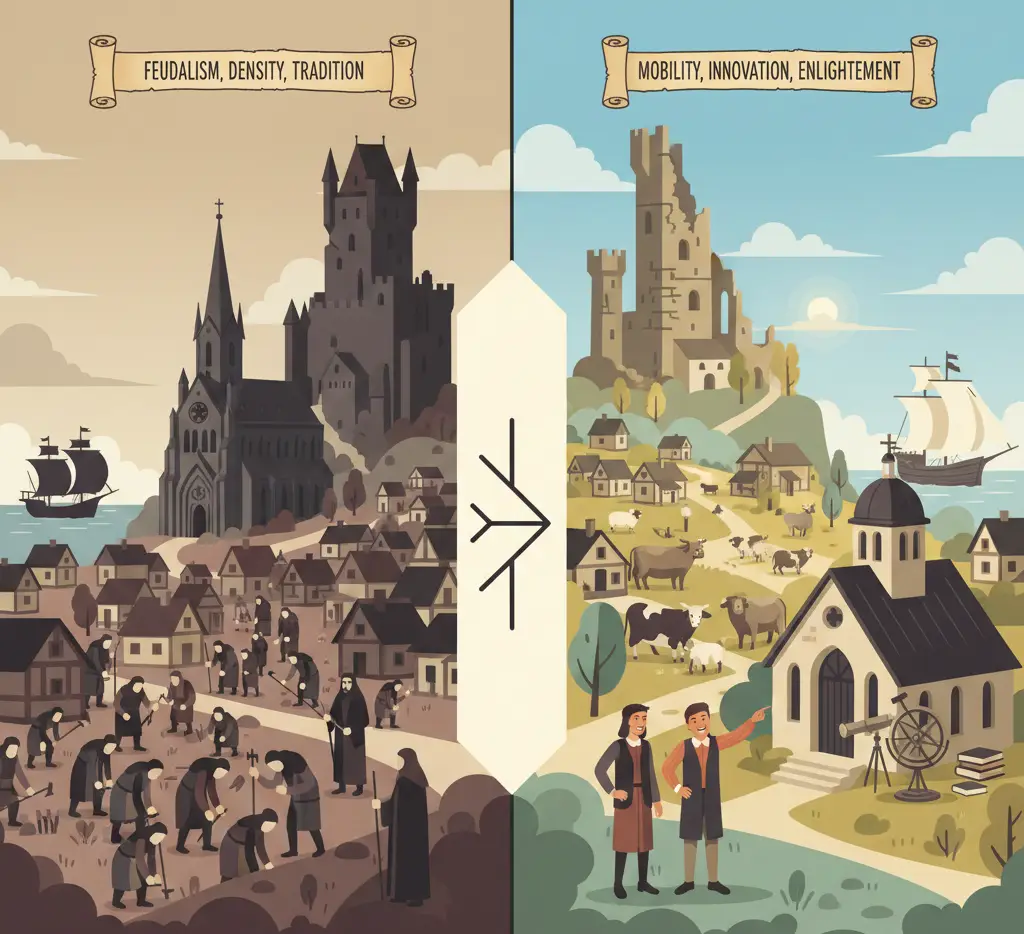
The Black Death: A Changing Point
Imagine a time when a terrible sickness swept across the world, changing everything. That’s exactly what happened with the Black Death, one of the worst pandemics in all of human history. It wasn’t just a bad flu; it was a deadly disease that killed millions of people in Europe between the years 1347 and 1351.…
-
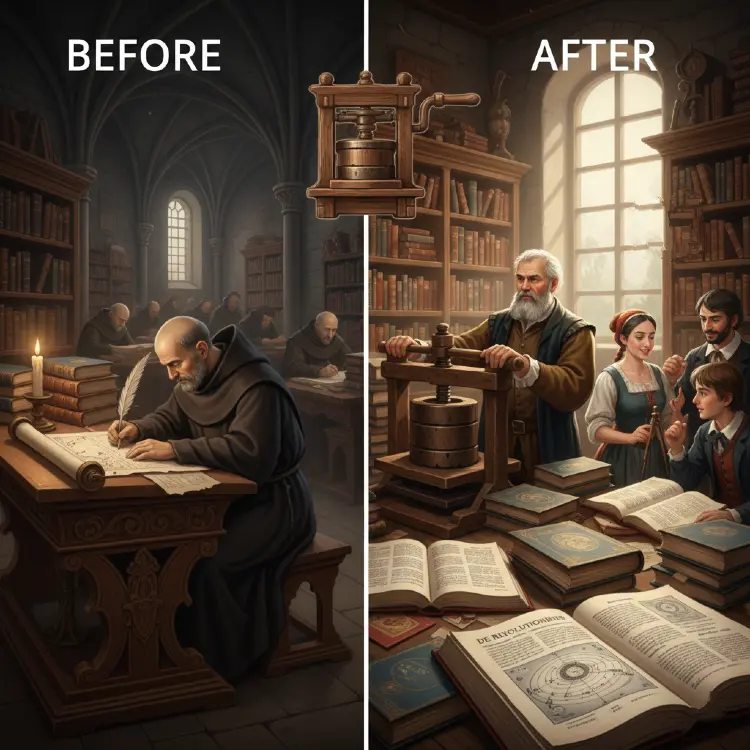
The Role Of The Printing Press On The Spread Of Scientific Knowledge
Before the printing press, scientific texts were painstakingly copied out by hand and were consequently expensive, rare, and open to error. Johannes Gutenberg’s invention of movable-type printing around 1440 revolutionized the process. By making the mass production of uniform, cheap books possible, the press disseminated scientific information much more broadly to a greater range of…
-
Leisure Activities In Ancient Rome
From the rumble of the Circus Maximus to the steamy quiet of public baths, leisure activities in ancient Rome were as diverse as Roman citizens themselves. While public amusement was meant to amuse the masses, private recreation was a mirror of society and personal preference of the times. To rich and poor, life was not…
-
Carlsen’s Reign: A Decade Of Dominance
From 2013 to 2023, Magnus Carlsen’s decade-long stranglehold on the World Chess Champion title solidified his position as one of the greatest of all time. The Norwegian grandmaster did not simply win, but he dominated, merging deep classical understanding with a modern, computer-assisted style that elevated the game to new heights. Carlsen’s consistent world number…
-
The History Of Computer Chess: From Deep Blue to AlphaZero
Computer chess history is the history of shifting technological paradigms, from brute-force computations of the 1990s to intuitive, self-teaching systems of today. From IBM’s Deep Blue to Google DeepMind’s AlphaZero is an enormous development in artificial intelligence, from explicit coding to self-learning machines. The brute-force triumph of Deep Blue Before Deep Blue, no computer had…
-
The Phases Of A Chess Game
A game of chess can be divided into three stages: the opening, the middlegame, and the endgame. Each stage has its own nature and requires different ways of playing in order to get through it successfully. These transitions are worth studying for any player because success usually requires playing well in each stage. The opening:…
-
The Power Of The Double Check: A Forcing Tactical Weapon
In chess, not all checks are created equal. While a single check requires the opponent to reply, a double check, in which two of your pieces attacking the opposing king at the same time, is a specially powerful tactical tool. The mere weight of a double check severely constrains your opponent, usually resulting in a…
-
Stratigic Piece Exchanges In The Chess Endgame
Strategic piece exchanges play a crucial role in the chess endgame, particularly in deciding the result of the game. Knowing when and which pieces to exchange can transform a complicated position into a simple win or a secure draw. When ahead in material If you have a material advantage, such as a pawn or piece…
-
Building A Kingside Attack In Chess: A Step-By-Step Guide
An effective kingside attack can be one of the most exciting and highlights of a chess match. It relies on organizing your pieces and pawns to overwhelm your opponent’s defenses against your king, typically leading to dramatic checkmates. This guide outlines the key steps to executing a successful kingside attack. Analyze the position and seek…
-
A Beginner’s Guide To Castling In Chess
Castling is a special and important move in chess. It enhances your king’s safety and opens your rook simultaneously, transforming an open, central king into a safe monarch beyond the protection of a pawn wall. How to castle Castling is the one and only chess move where you get to move two pieces at once.…